
Travel across Cyprus with Kyiv's first travel blogger
Three hundred years ago, he crossed this island on foot. He left behind sketches, journals, and hundreds of pages of vivid observations. Meet Vasyl Hryhorovych-Barsky - a traveller, scholar, and chronicler whose route across Cyprus can still be followed today.
.avif)
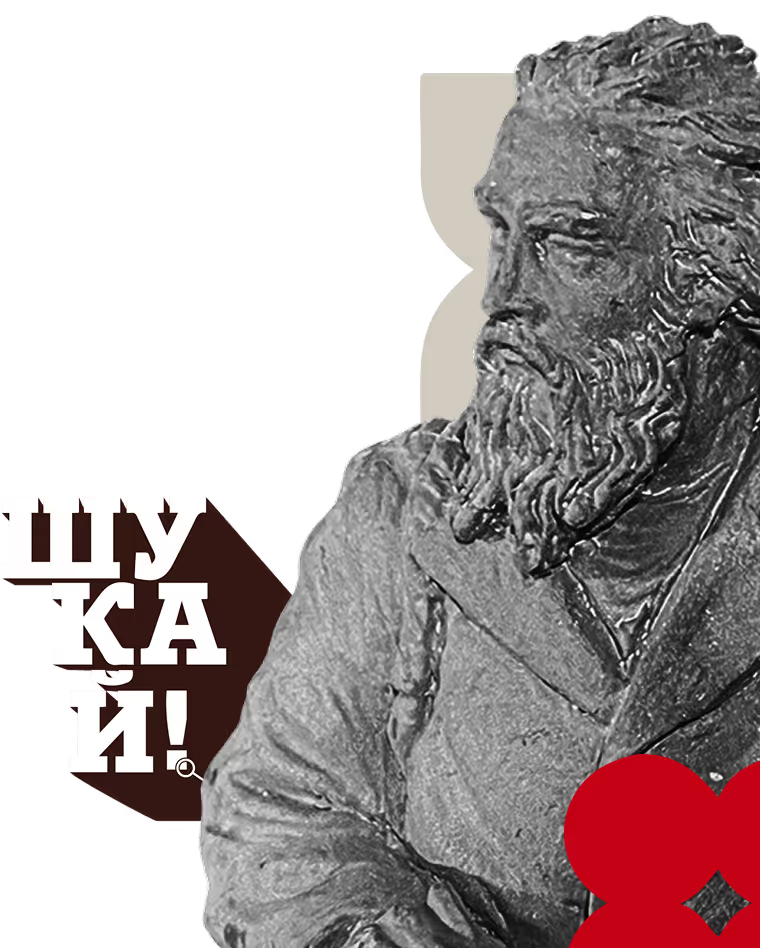
Meet Vasyl Hryhorovych-Barsky
The 18th century. A young man from Kyiv sets out on a journey without GPS, without a smartphone, and with almost no money - armed only with a curious mind and a pen. Over the next 24 years, he will travel across three continents and become one of the most remarkable chroniclers of his time.
His name was Vasyl Hryhorovych-Barsky. Born near Kyiv, he studied at the Kyiv-Mohyla Academy, one of the leading centres of learning in Europe at the time. It was there that he acquired his knowledge of Latin, his passion for learning, and the inner compass that would guide him for decades.
«He visited Cyprus five times - more than any other country.»
Here, he taught Latin to Greek students, sketched monasteries, described bustling markets, marvelled at snakes, and praised the local wine. His notes are more than simple pilgrimage records. It is a living portrait of an island that no longer exists in its original form, yet remains visible through Hryhorovych-Barsky's eyes.
Today, we invite you to follow in his footsteps.
His route.Your journey.
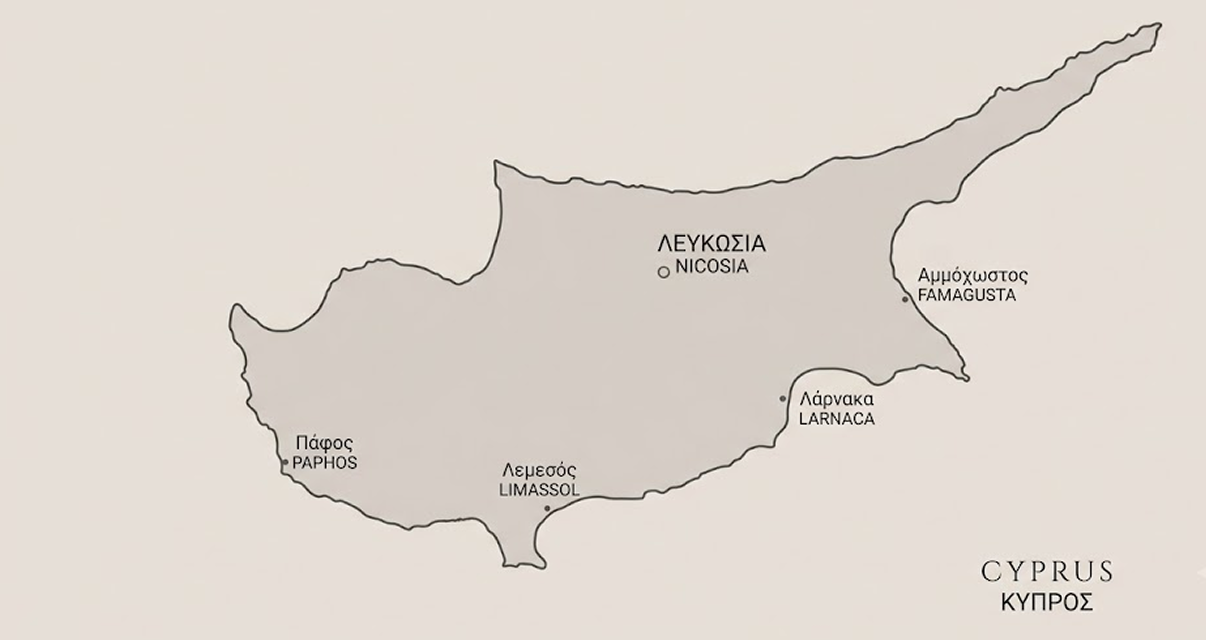
Barshky visited Cyprus five times. His final journey lasted almost two years - he crossed the island on foot, from monastery to monastery, from village to village. We have gathered the key points of his route. Tap a place on the map to discover what he saw, thought, and wrote there.
10 surprising facts about the traveller
You've probably heard of great explorers - Marco Polo, Magellan, Cook. Now meet a man who achieved no less than they did, except that he was simply born in Kyiv and wrote in Ukrainian.
In 1723, Vasyl left Kyiv. He returned in 1747, just a few months before his death. During this time, he travelled across Europe, Asia, and Africa, visited more than 12 countries, and left behind thousands of pages of notes.
The island fascinated him from the very first visit. Hryhorovych-Barsky kept returning again and again — studying monasteries, sketching, and teaching. Cyprus became more than just a stop on his route.
No courses, no textbooks. He picked up Greek in Greece itself, on Mount Athos and in Patmos, by speaking with locals and Orthodox clergy. In the end, he reached a level high enough to teach it.
Filotheos, the Archbishop of Cyprus, personally invited Hryhorovych-Barsky to teach Latin to local Greeks. A Kyiv-born graduate of the Kyiv-Mohyla Academy became a lecturer at the archbishop's court in Nicosia. Not bad for a traveller without a permanent home.
While travelling, Barsky was already thinking about the future. He began compiling a textbook for the Kyiv-Mohyla Academy, hoping to return and teach Greek. The work remained an unfinished dream.
Latin, Church Slavonic, Old Ukrainian, Greek, Polish. In the 18th century, without any language apps, just years of practice and an exceptional mind.
The Kyiv-Mohyla Academy was a true intellectual centre at the time. It was there that Hryhorovych-Barsky gained his knowledge of Latin, rhetoric, and the critical worldview that made his writings so valuable.
In 1734, in Damascus, after 11 years of wandering, Hryhorovych-Barsky became a monk — his tonsure was performed by Patriarch Sylvester of Antioch. But monastic life did not stop his journeys. The monk with a notebook kept moving onward.
Markets, climate, local food, people's habits, political realities, trade, everyday life. His diaries form an encyclopedia of the 18th century, written in the living voice of someone who saw everything firsthand.
More than 150 sketches from different countries. They were so precise that they were later used for teaching fine arts at the Kyiv-Mohyla Academy. For Cyprus, they are especially invaluable — many monuments survive today only in his drawings.
A bronze story under the open sky
The "Shukai!" project and the first sculpture to ever go beyond Ukraine's borders
.avif)
"Shukai!" is a Kyiv-based public art project by Yuliia Bevzenko that turns a walk through the city into a journey through time.
Small bronze sculptures are installed in landmark locations across Kyiv, each telling the story of real people and events that shaped the city. A jeweller Marshak, the first contracts on Podil, "Shchedryk" that travelled the world, people who became anchors in times of war — each sculpture is a living story that can be found, touched, and carried away in memory.
Today, Kyiv already has more than 50 such sculptures, and the number continues to grow every year.
And now — for the first time — "Shukai!" goes beyond Ukraine's borders
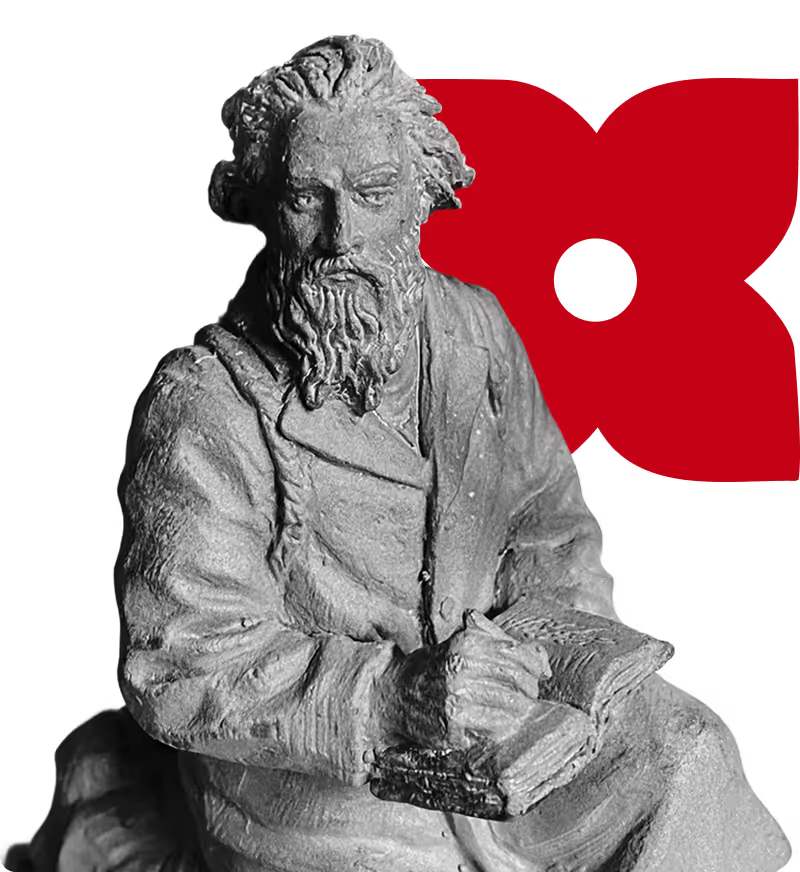
Бронзова фігура мандрівника.
Obiimy Cyprus, Ларнака.
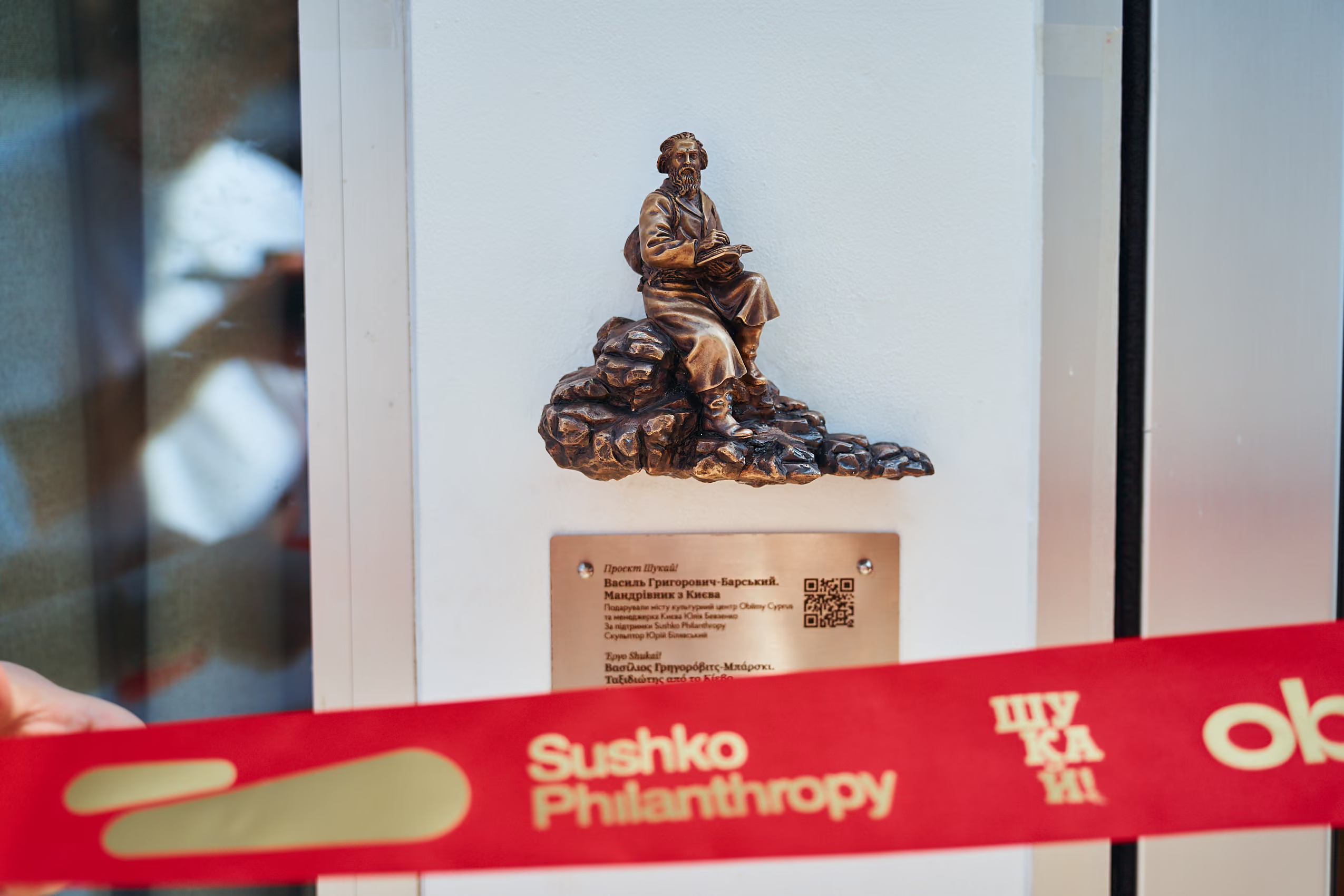
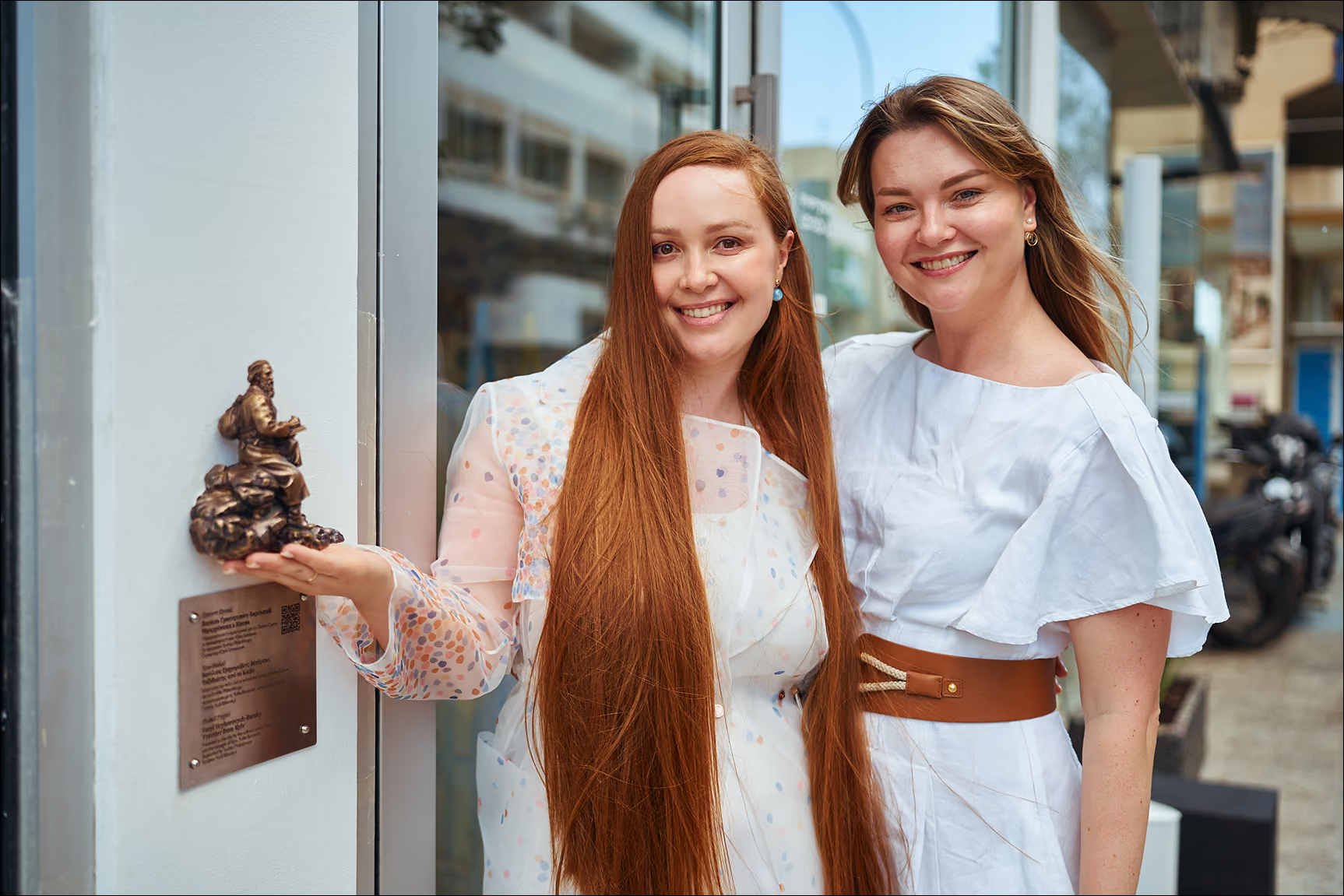
The first international sculpture of the "Shukai!" project is dedicated to a man who connected Kyiv and Cyprus 300 years ago. And it is installed right here - on the island he returned to most often.
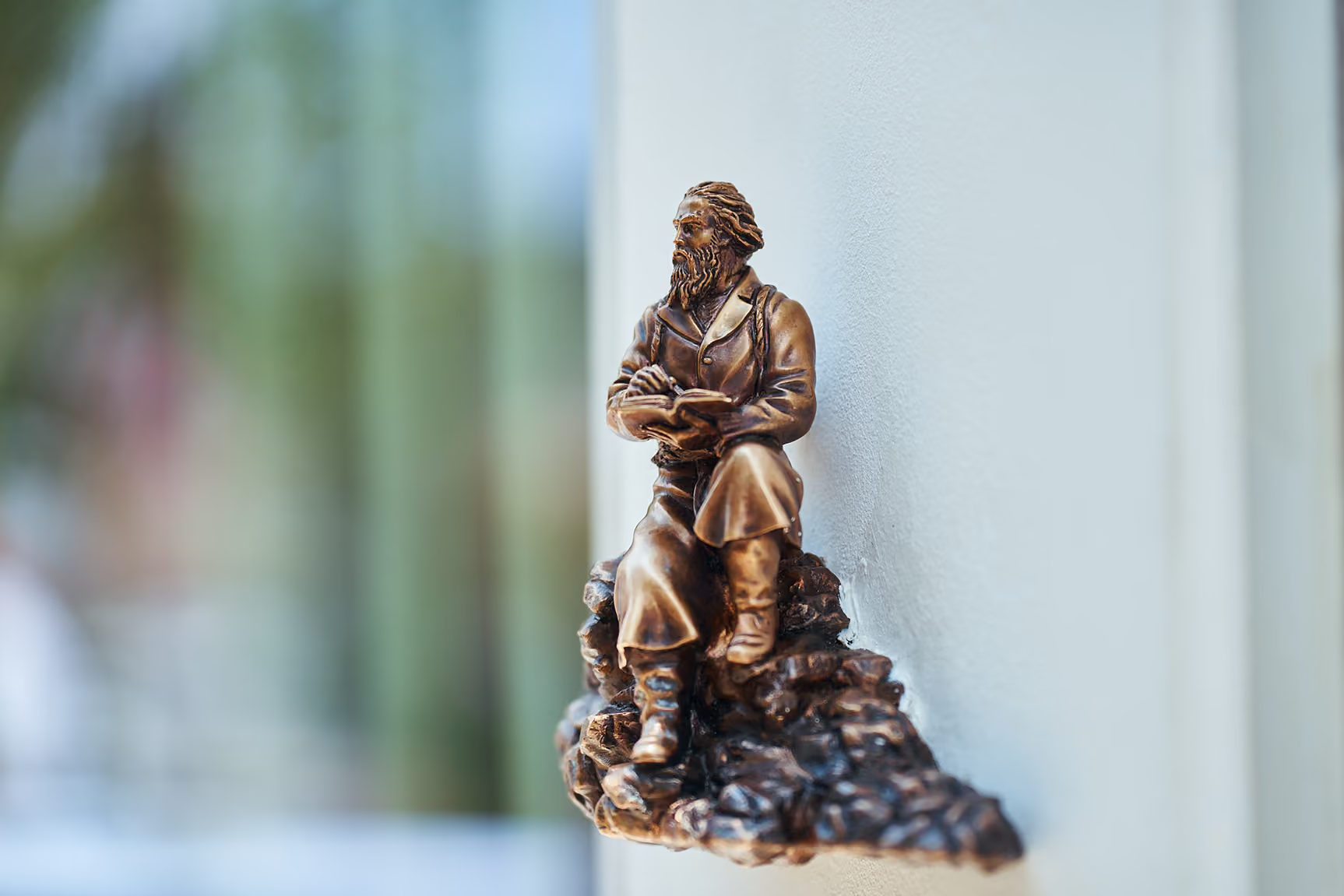
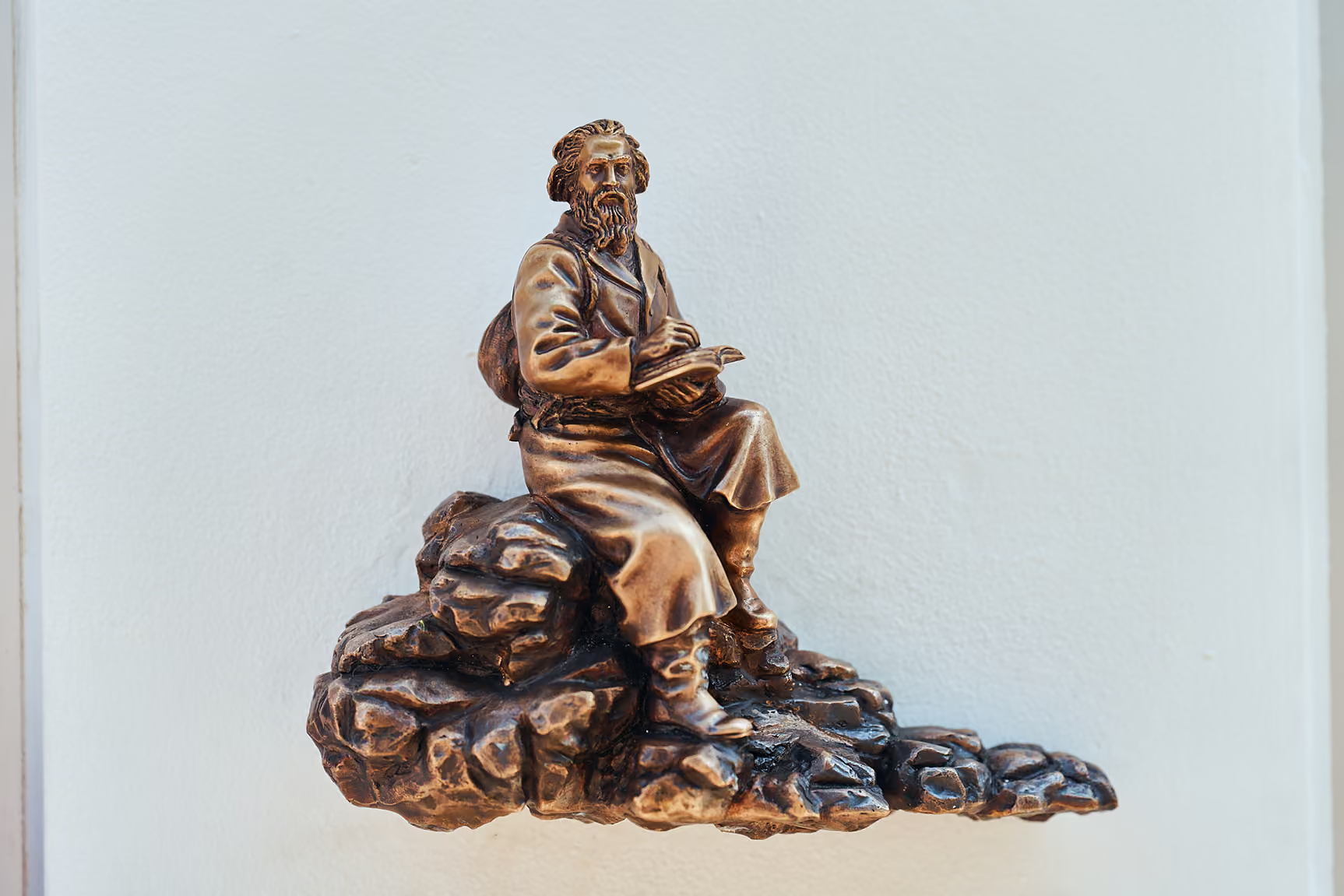
The sculptor has captured in bronze not a pose, but a state: a moment between observation and recording, between what is and what will remain.
He sits on a stone between two shores. Beneath him lie both the slopes of Cyprus and the slopes of the Dnipro. In his hands, a notebook. His gaze is turned toward Kyiv.
The sculpture is positioned so that Barsky's head is geographically oriented toward Kyiv. This is not just a detail --- it is part of the concept. He always wanted to return. And now he looks in that direction forever.
WHERE IT IS LOCATED
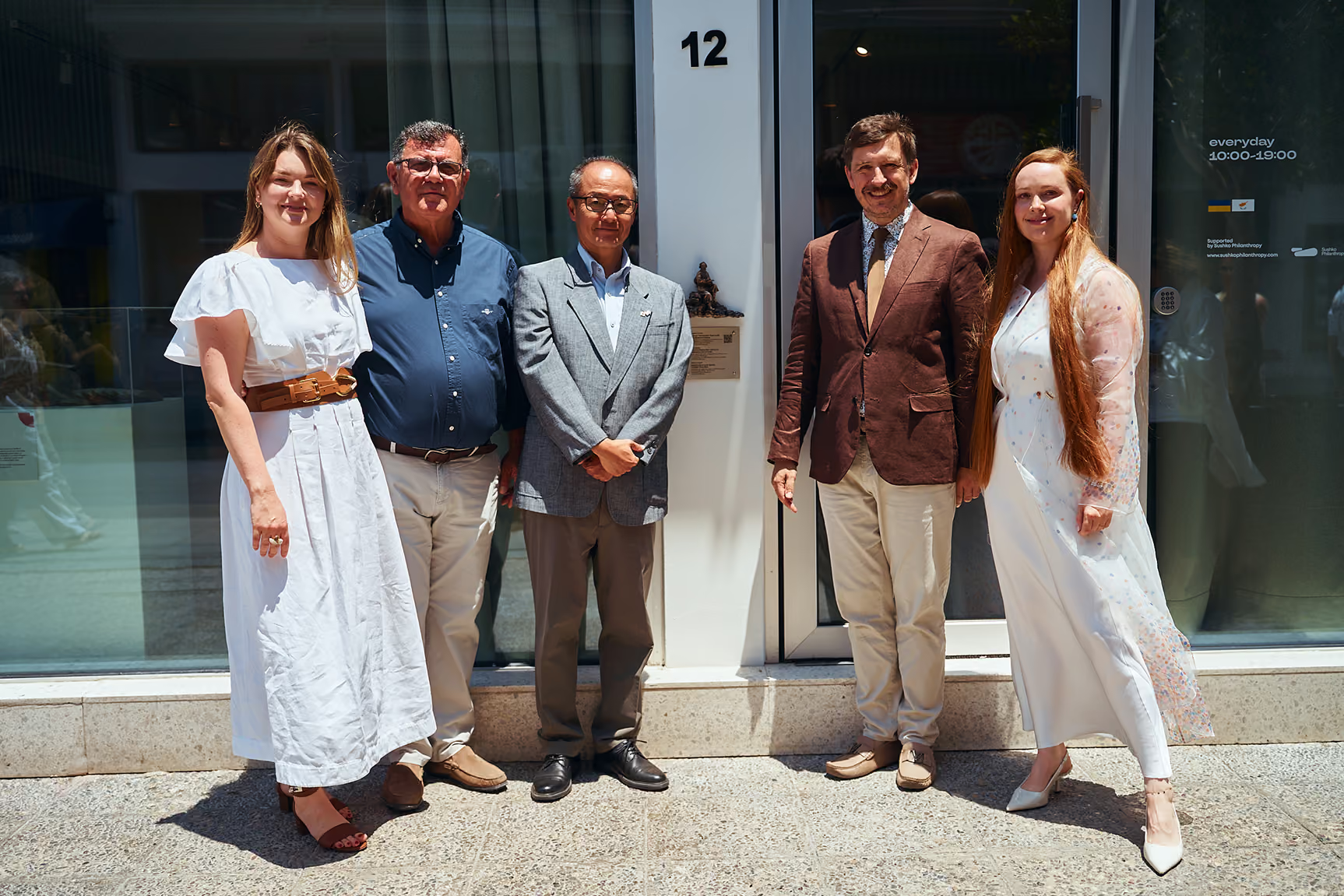
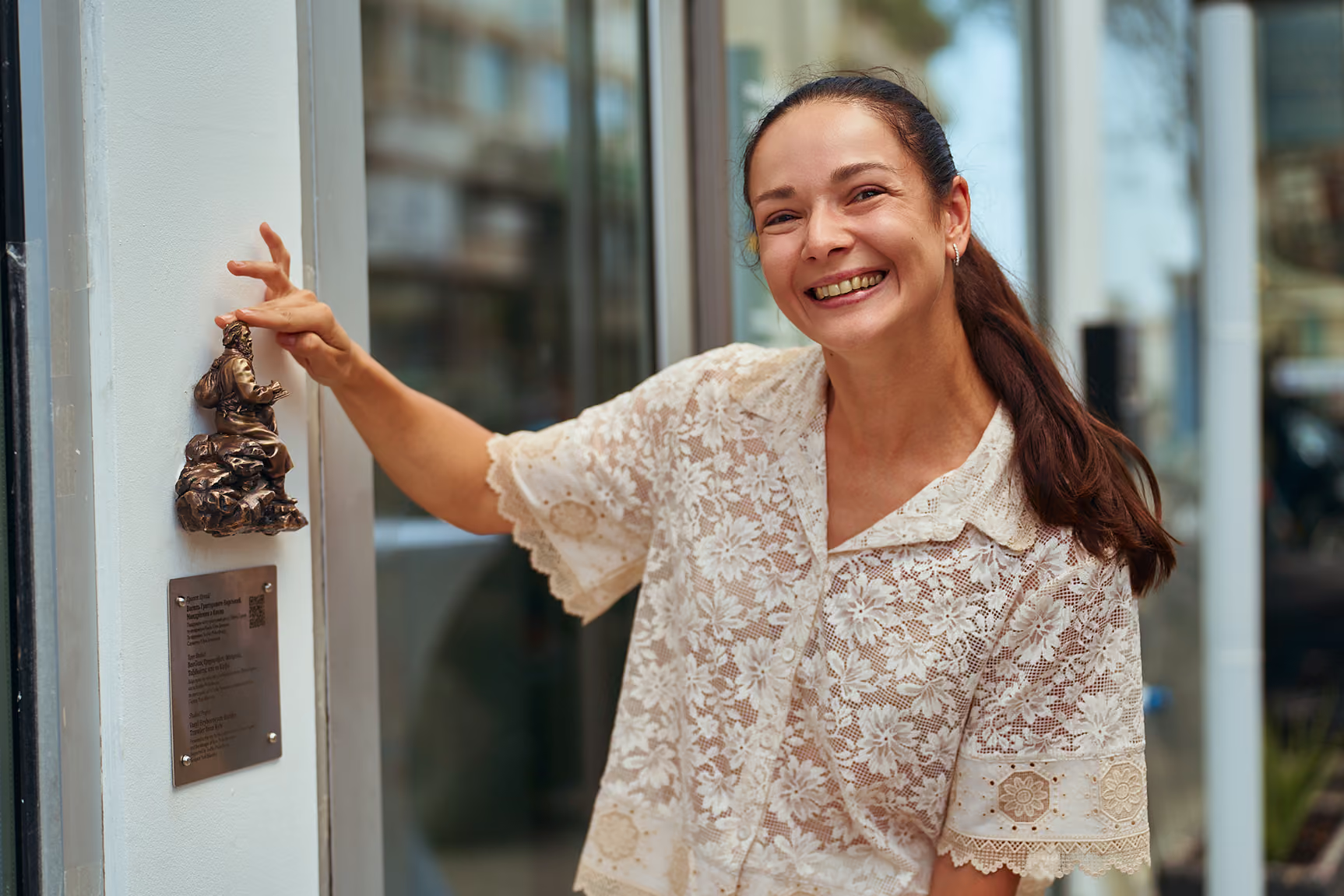
The sculpture is located at the entrance of the Obiimy Cyprus cultural centre in Larnaca and is open to everyone — free of charge, 24/7. Come, take a look, take a photo.
The project was founded by Yuliia Bevzenko --- a Kyiv history researcher and cultural promoter. "Shukai!" has existed since 2021 and, over this time, has become one of the capital's most beloved urban projects.
Each sculpture is the result of careful research, the work of a sculptor, and the support of those who make it possible. A small bronze figure may weigh only a few kilograms, but it carries an entire era within it.
A MomentThat Made History
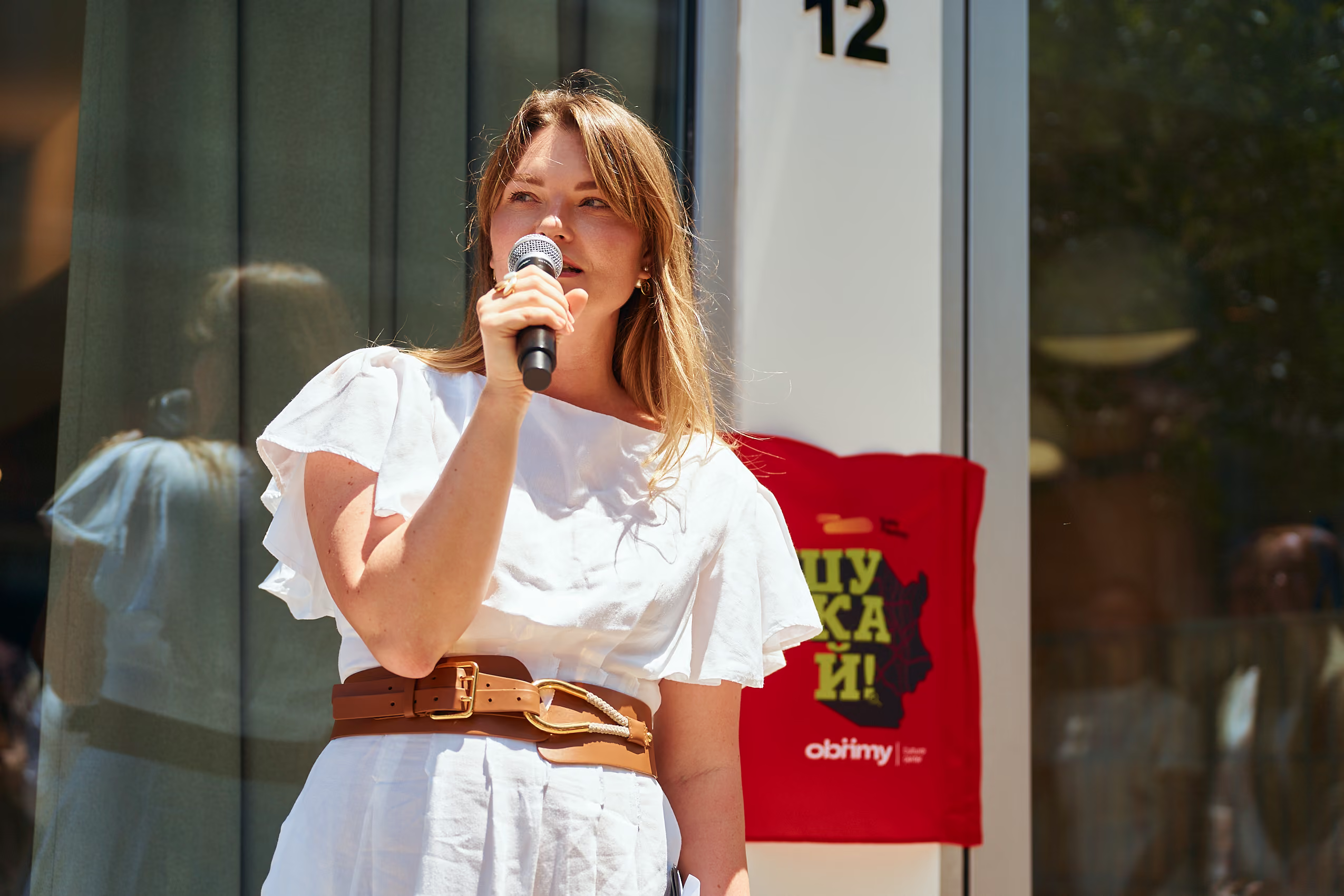
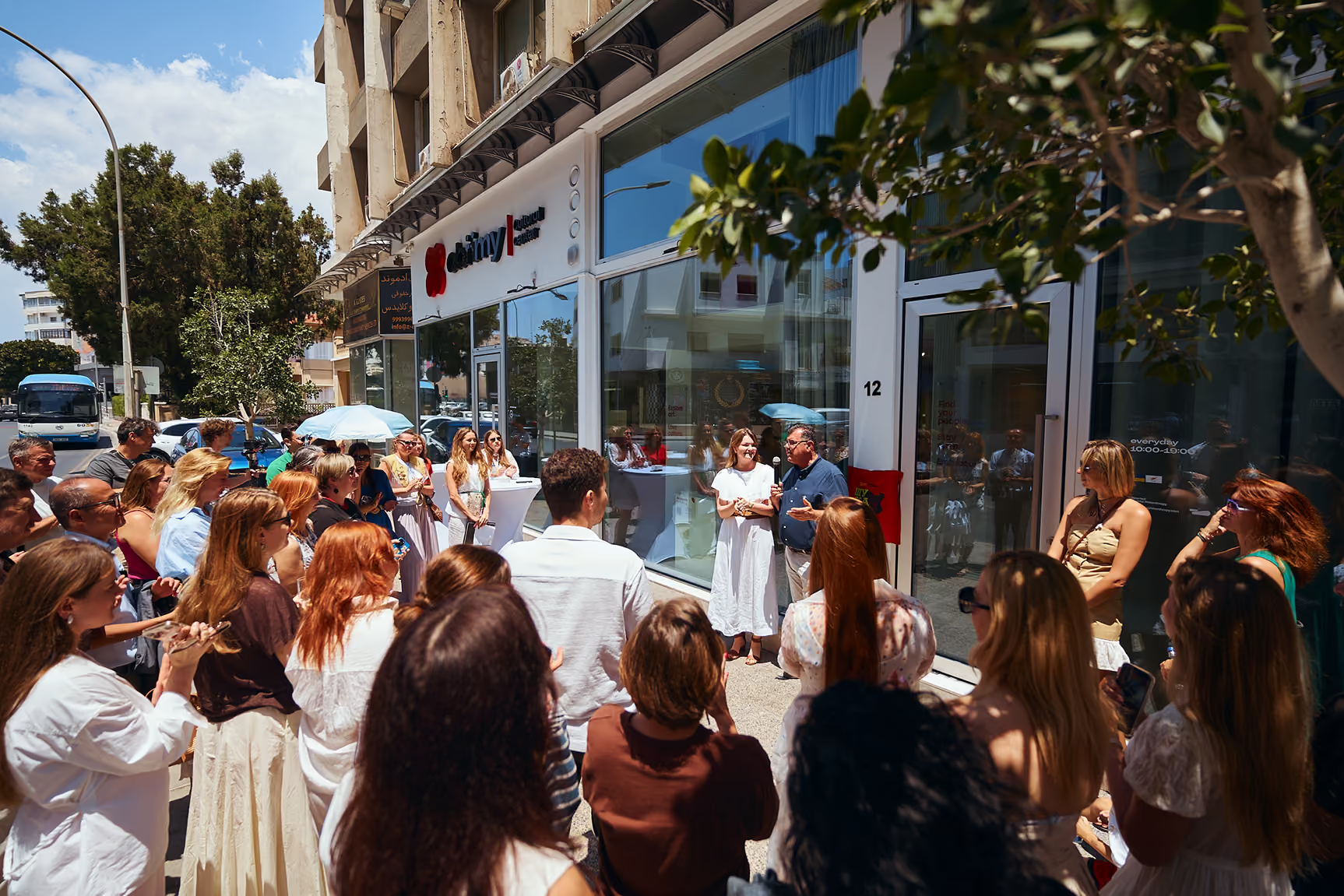
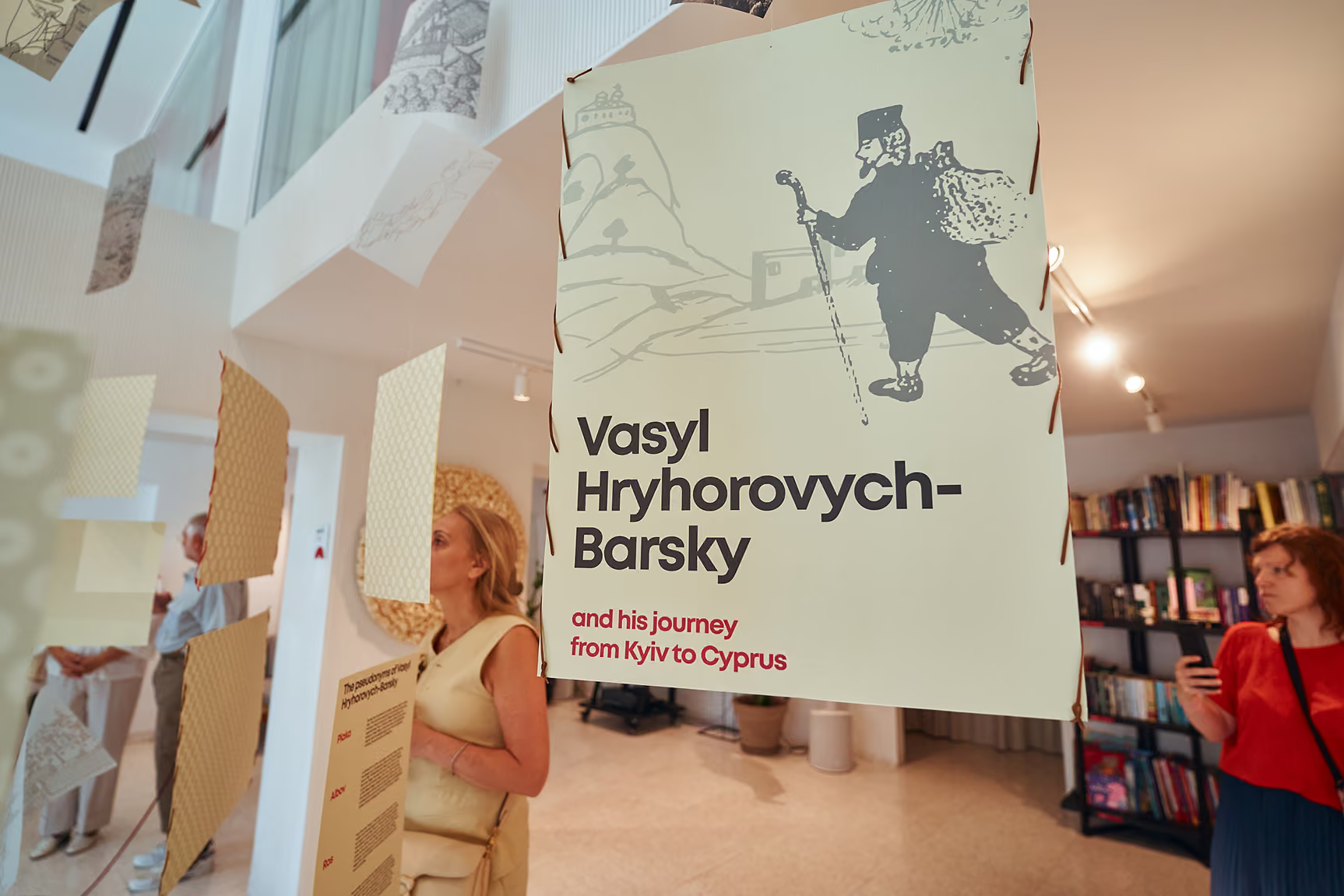
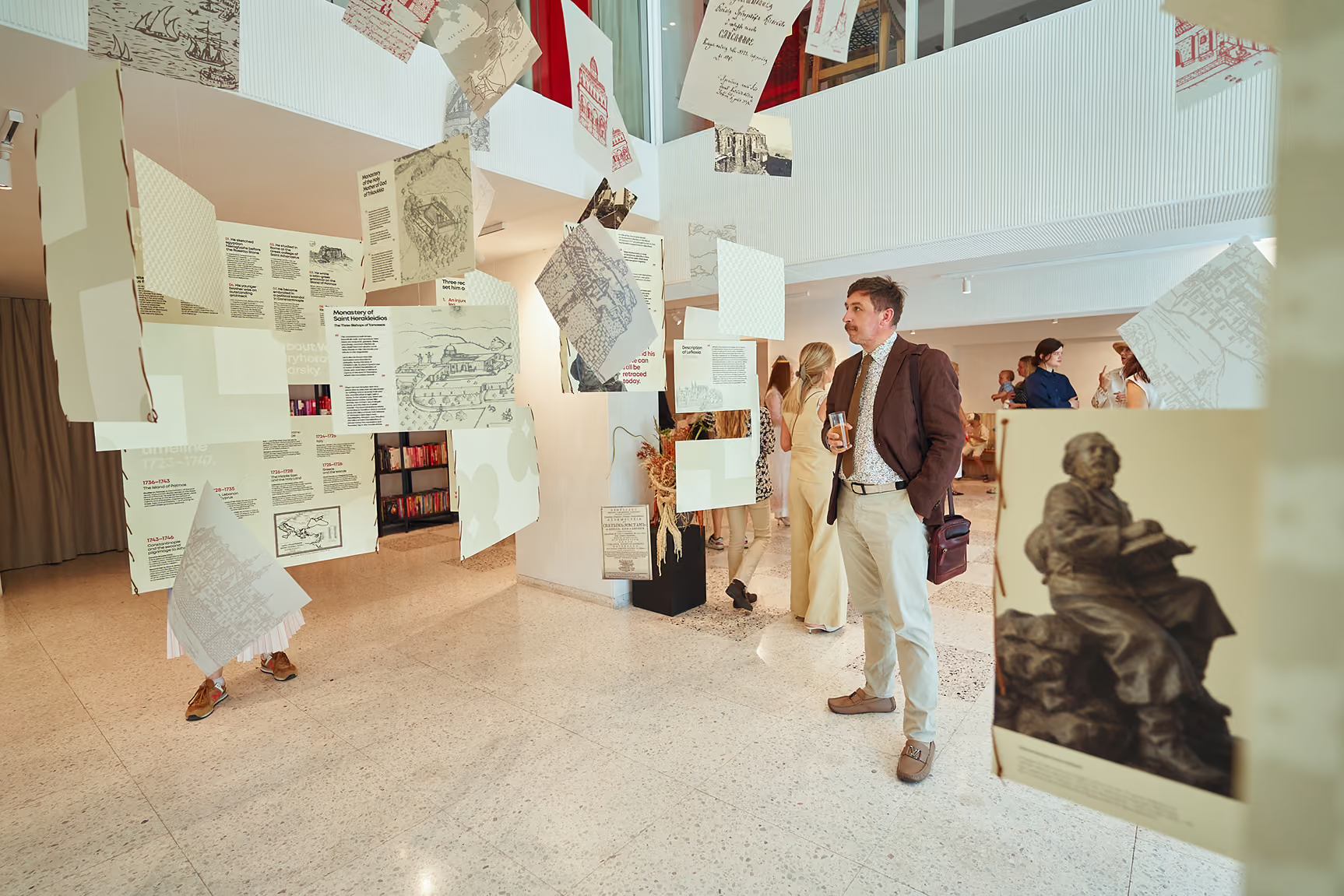
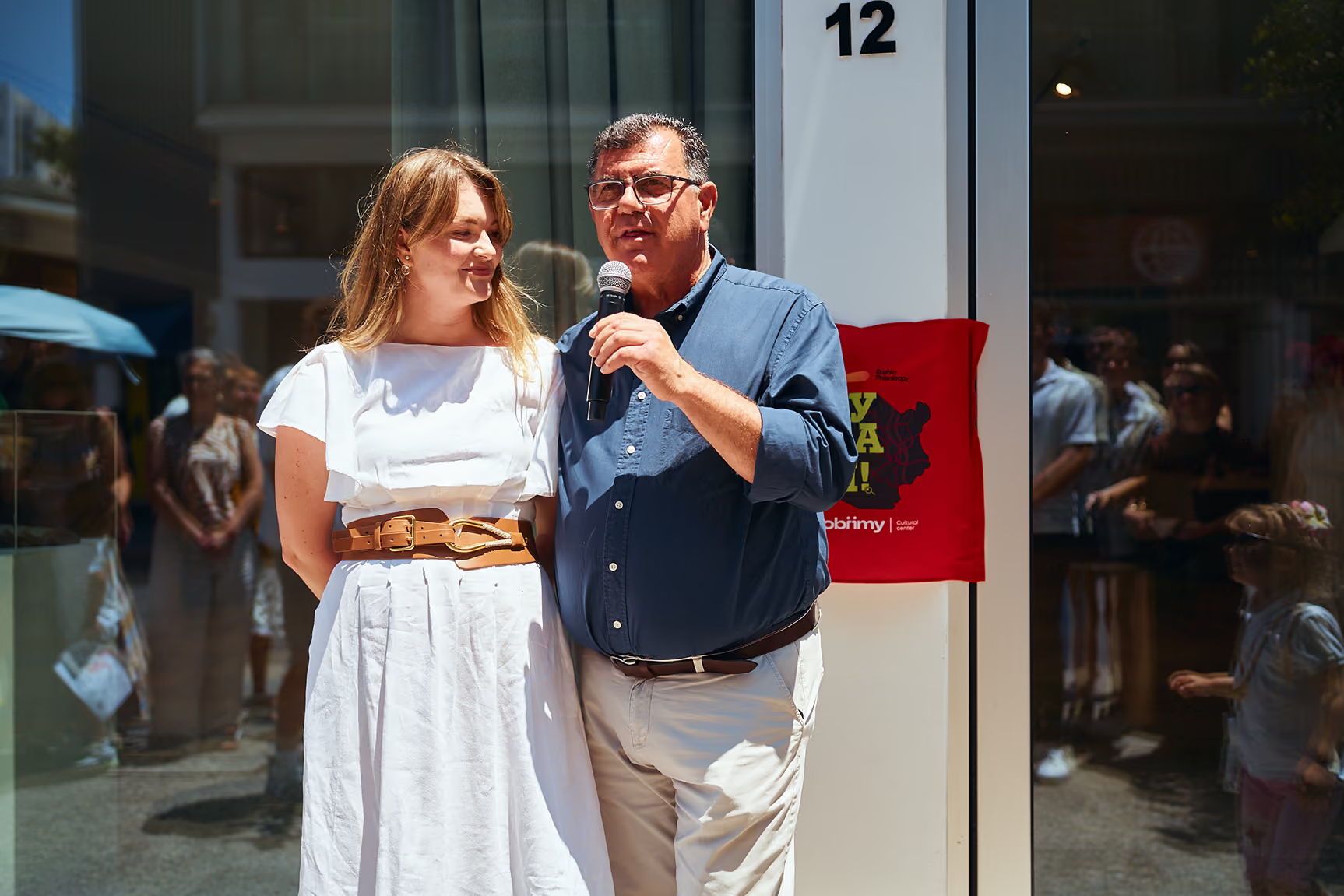
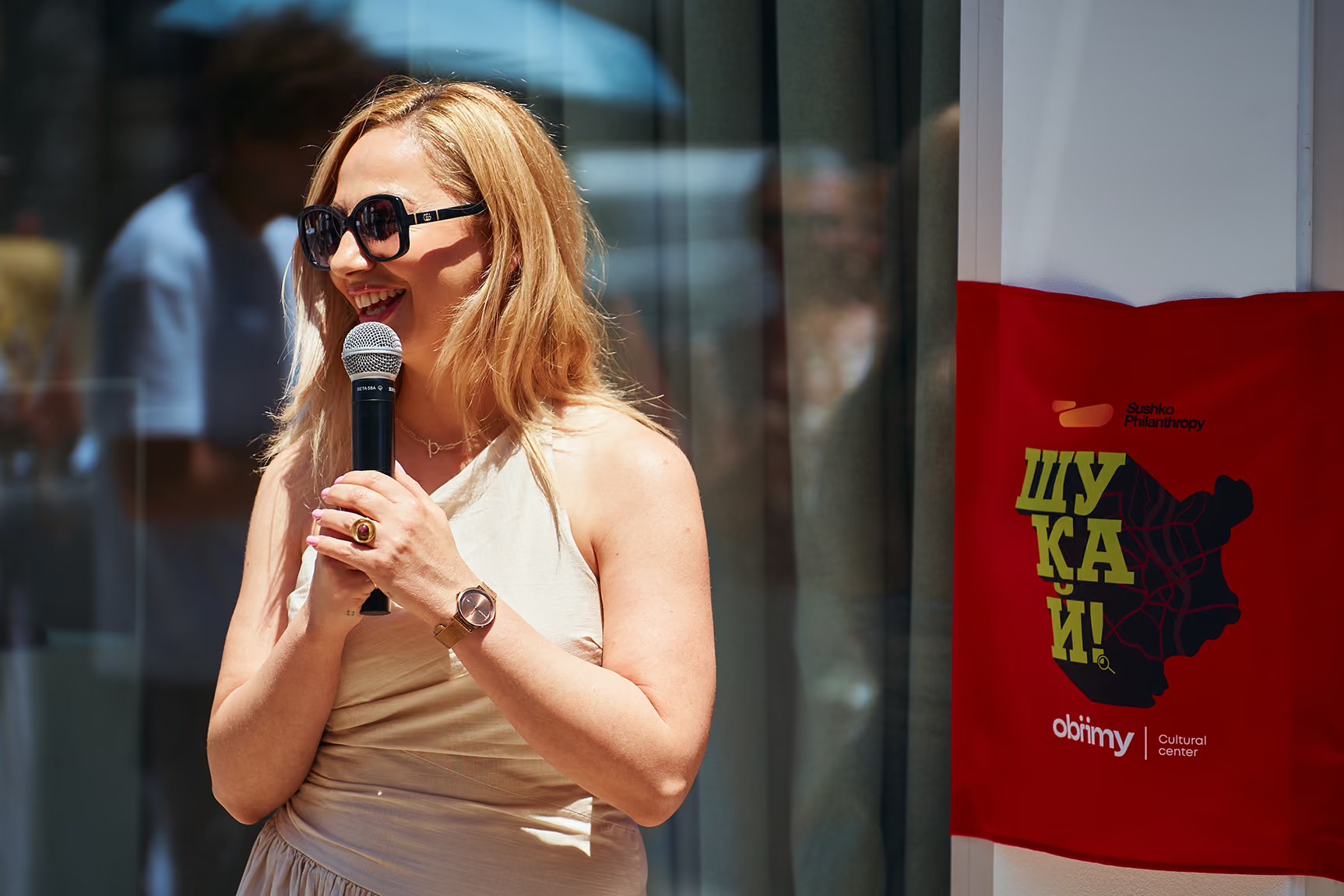
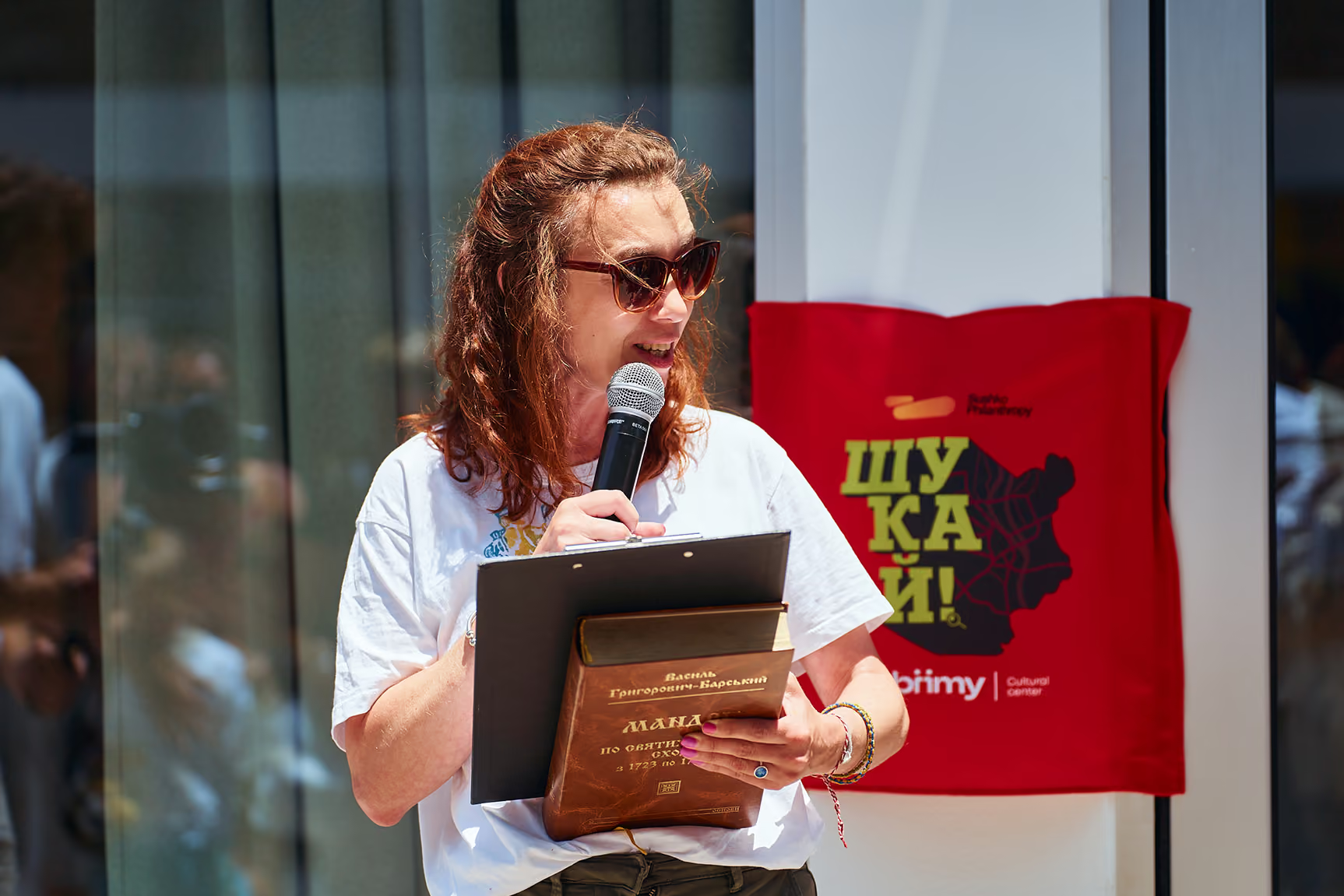
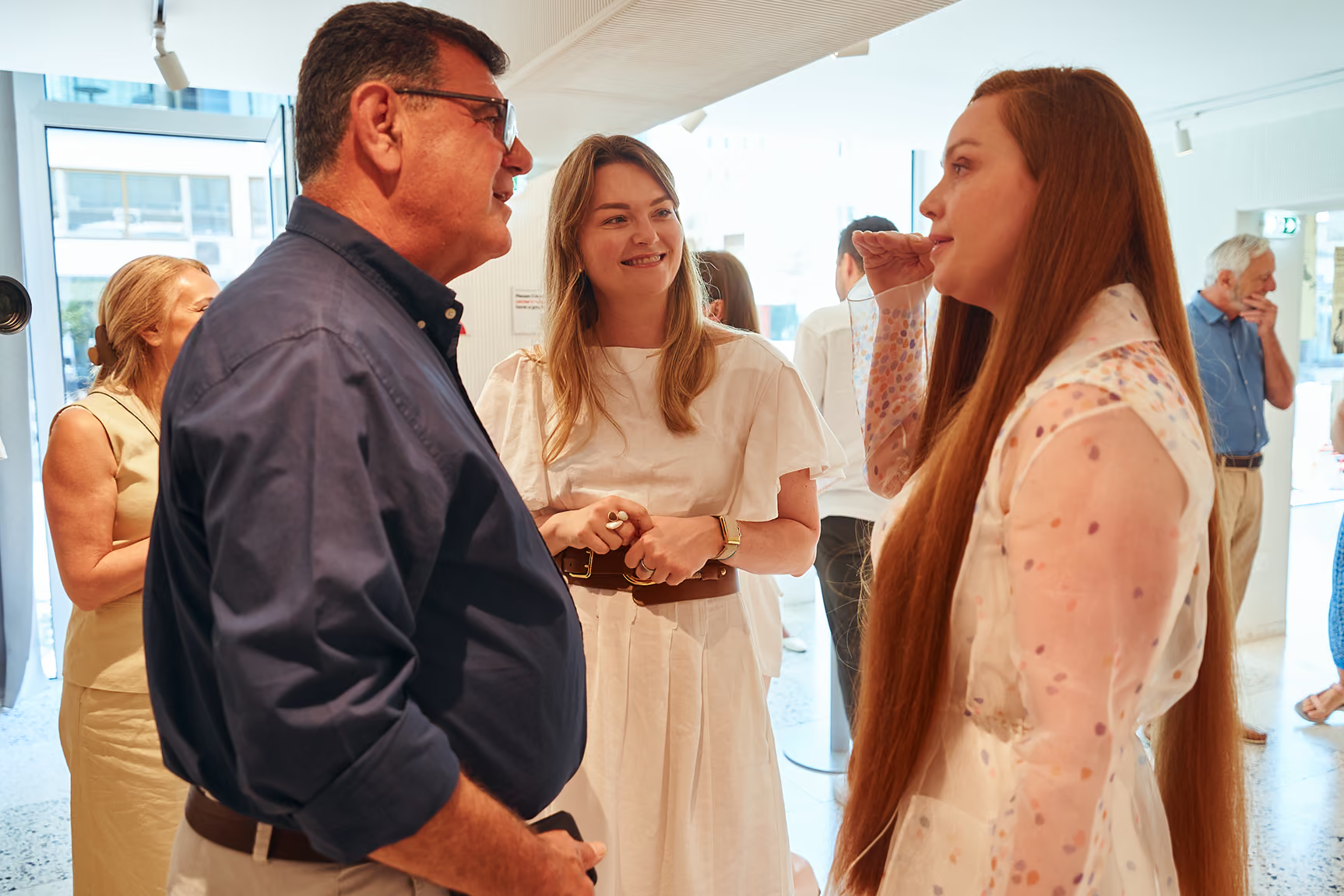
On June 14, 2026, the first Shukai! sculpture to be installed outside Ukraine was unveiled at the Obiimy Cultural Centre in Larnaka – a bronze statue of Hryhorovych-Barsky gazing towards Kyiv.
.avif)

.avif)

The World in linesand details
The world in lines and details
Vasyl Hryhorovych-Barsky was not only a chronicler but also a gifted draughtsman. Each of his descriptions was accompanied by a detailed drawing, allowing us today to see the architecture of 18th-century Cyprus.
.avif)
Panagia tou Araka Monastery
12th-century monastery nestled in the Troodos mountains, renowned for its rare Byzantine frescoes – it is here that Barsky left one of his autographs on Cyprus.
.avif)
Nicosia
The historic centre of Nicosia with the Cathedral of Hagia Sophia has been preserved to this day.
.avif)
Agios Neophytos Monastery
A serene cave monastery near Paphos, where Saint Neophytos himself carved his cell into the rock in the 12th century — and which Vasyl described as the second most beautiful monastery on the entire island of Cyprus.
.avif)
Monastery of Panayia Trikoukkia
An ancient secluded monastery from the 11th–12th centuries in the Troodos mountains of Cyprus, known for its miraculous icon and picturesque setting among pine forests.
.avif)
Larnaka and Alikes
Larnaka is one of the oldest continuously inhabited cities in the world. It is here that the Church of Saint Lazarus stands — a sight that struck Barsky with its grandeur.
.avif)
Stavrovouni Monastery
One of the oldest monasteries in Cyprus, rising on a rocky peak above Larnaka.
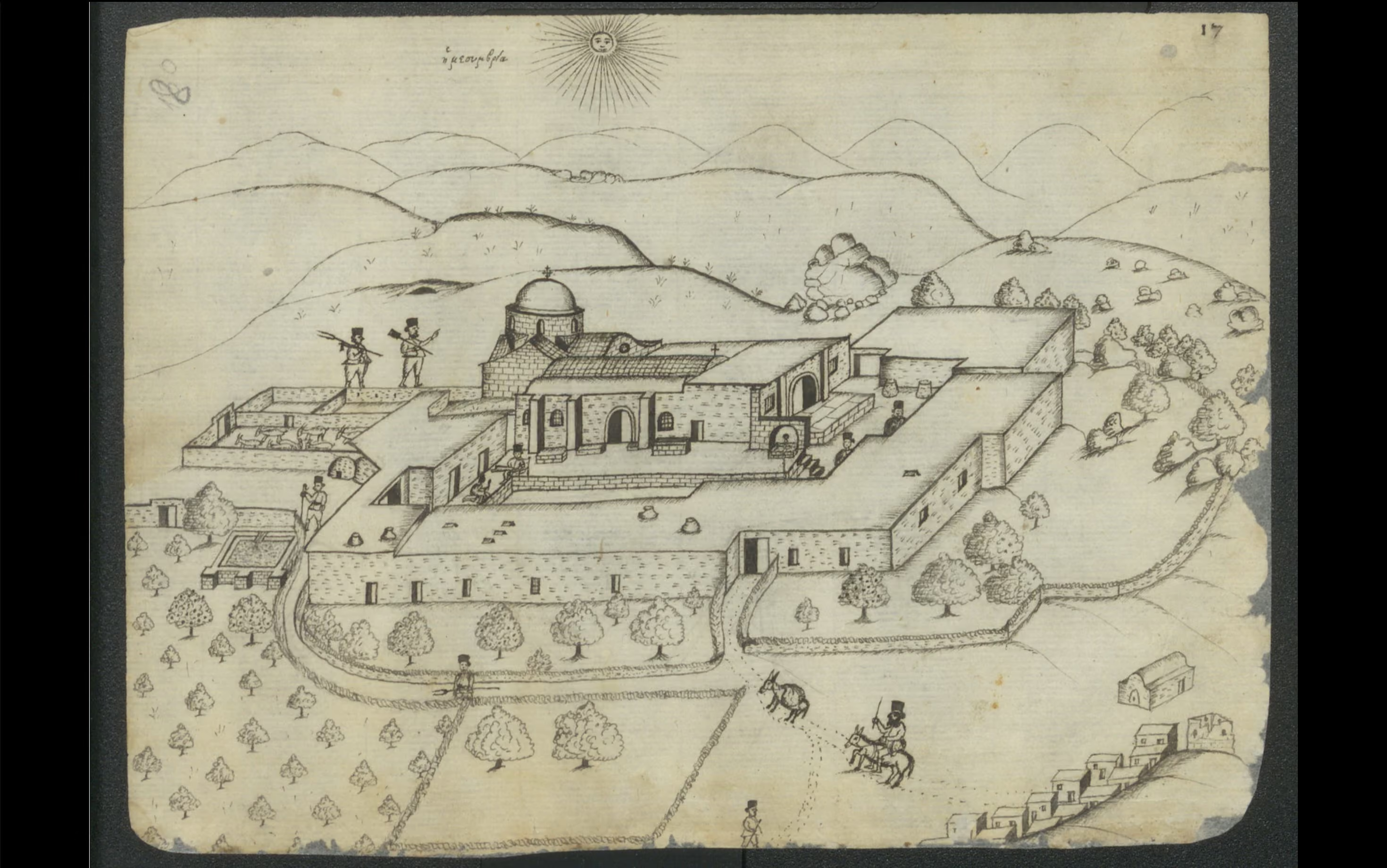
Monastery of Saint Herakleidios
An ancient monastery in the Solea valley, founded, according to tradition, by the Apostle Barnabas himself in the 1st century — one of the oldest active monasteries in Cyprus.
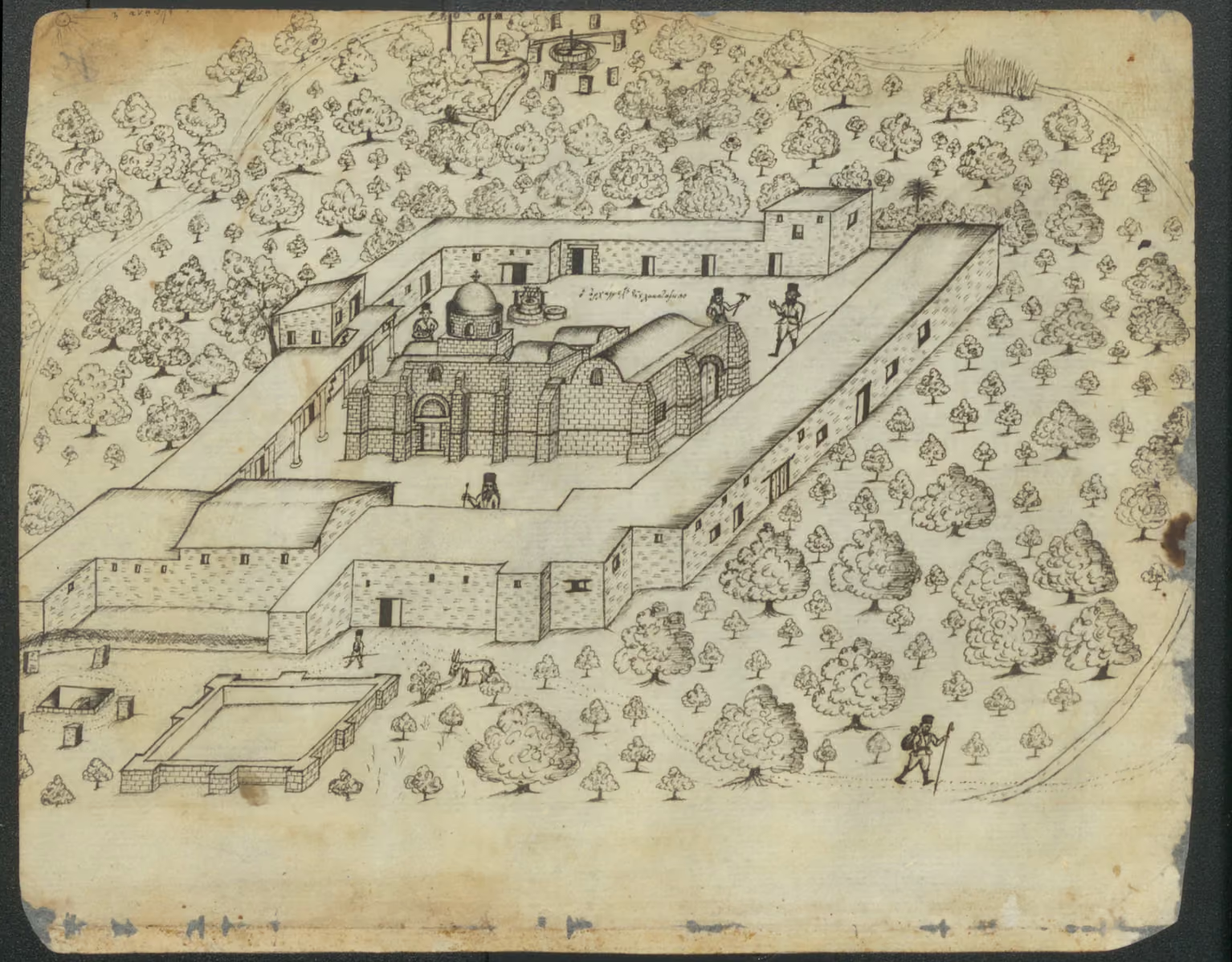
Monastery of Archangel Michael
One of the most venerated monasteries in Cyprus near Nicosia, the first detailed description of which was made by Vasyl Hryhorovych-Barsky.
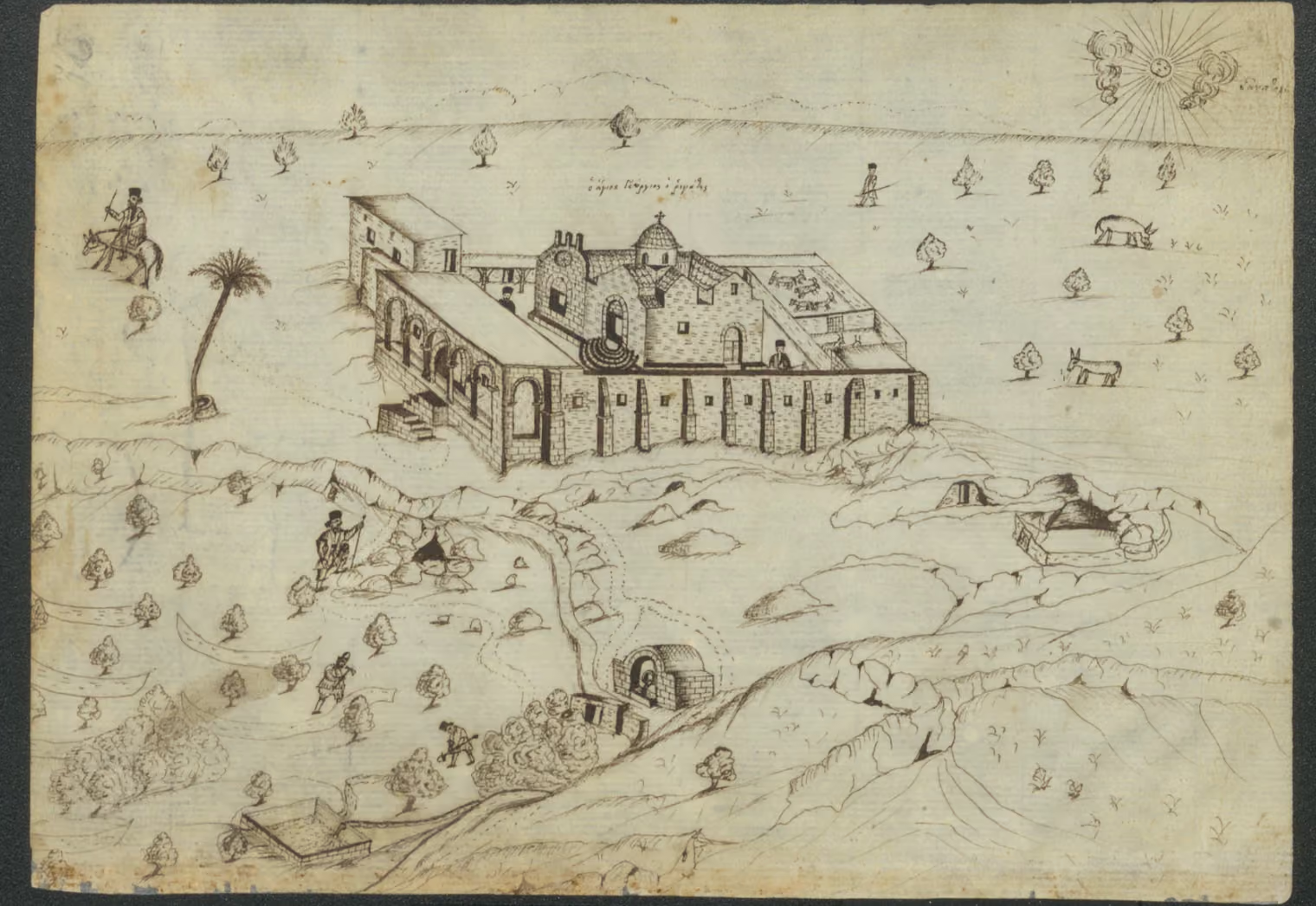
Monastery of Agios Georgios
A quiet monastery dedicated to Saint George — patron of warriors and travellers, who was especially revered in Cyprus in Barsky's time and remains so to this day.
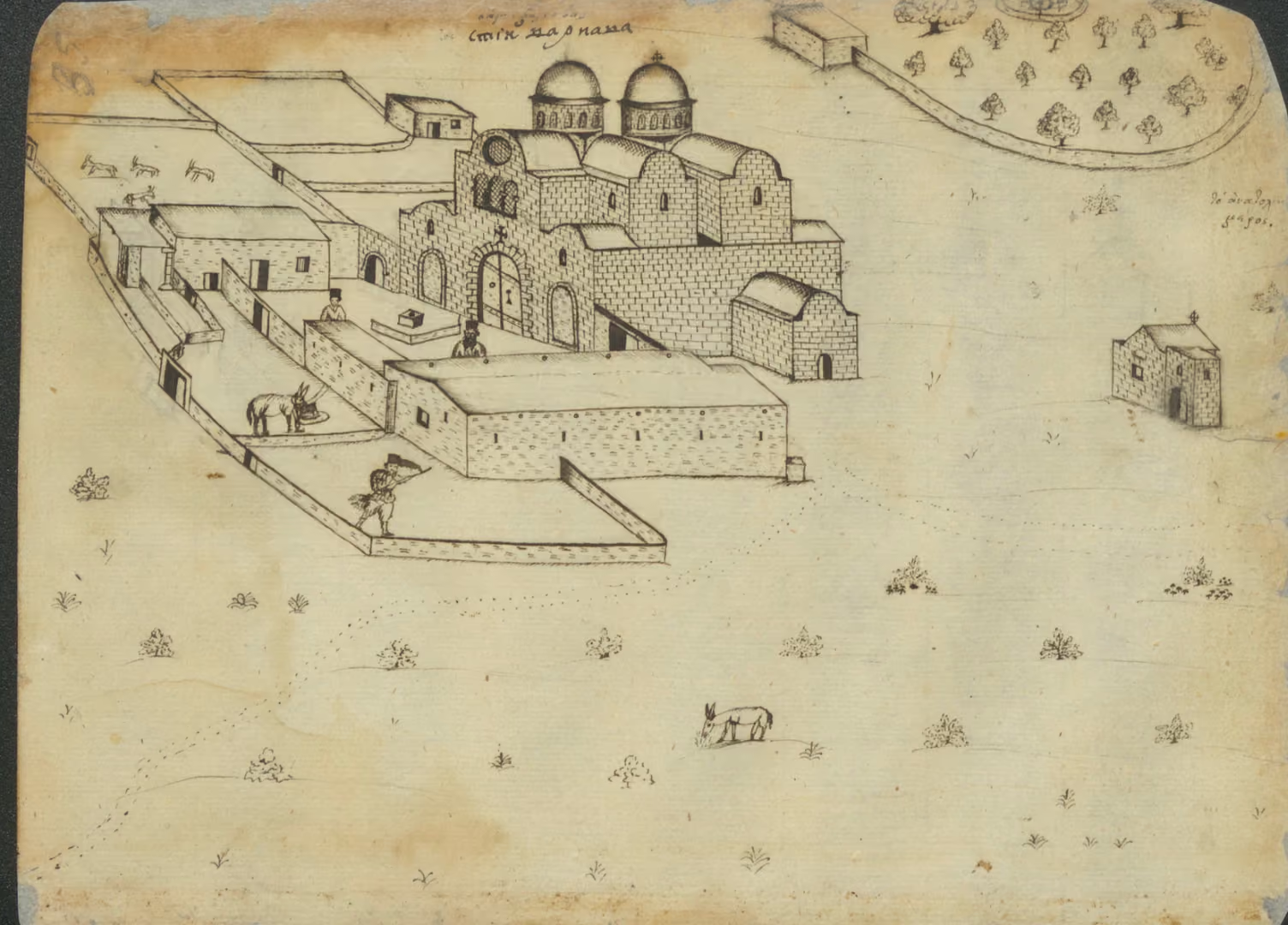
Monastery of the Apostle Barnabas
A monastery on the burial site of the Apostle Barnabas — a native of Cyprus and founder of the Cypriot Orthodox Church, whose mission on the island gave rise to over two thousand years of unbroken Christian tradition. Today it is located in the territory of Northern Cyprus.
Barsky observed.And many of his observations still ring true today.
As he was leaving Cyprus in 1736, Barsky wrote a concluding passage - almost as if he knew he would never return. Here are some of his observations that remain surprisingly relevant today.
About Commandaria
"They produce a sweet and fragrant wine called Commandaria; it is eagerly purchased and taken to Venice and other Western countries."
Vasyl Hryhorovych-Barsky, 1736
Commandaria is one of the oldest wines in the world. Barsky wrote about it in the eighteenth century, yet it has been produced in Cyprus for more than 5,000 years.
About snakes
"There is here a viper, venomous and deadly, called 'hupsi', which means 'deaf'; they say it is found nowhere else, only in Cyprus."
Vasyl Hryhorovych-Barsky, 1736
The "hupsi" is the Cypriot blunt-nosed viper, a species found only on Cyprus. Barsky was among the first to document it for a wider audience.
About a 'visa' for leaving the island
"My companion had to obtain a Turkish document there — a muhurtagata, that is, a letter of departure, without which neither a local resident nor a foreigner could leave Cyprus."
Vasyl Hryhorovych-Barsky, 1736
The earliest documented Cypriot visa system — seen through the eyes of an eighteenth-century traveller.
About people
"Nearly everyone here is born with a quick mind and a fine voice; the women wear beautiful and inexpensive clothing."
Vasyl Hryhorovych-Barsky, 1736
A compliment to the people of Cyprus from a traveller from Kyiv — still relevant 300 years later.
Project partners & team




Yuliia Bevzenko
Manager of Kyiv and creator of the public art project "Shukai!" — an initiative that revives the living memory of the people and events that shaped Kyiv.
Lyolya Filimonova
MA in Cultural Studies, tour guide, and researcher of the life and work of Vasyl Hryhorovych-Barsky in Cyprus. She provides the academic foundation, including research on Barskyi's route and verification of historical data.